Tips for Creating a Cozy and Functional Home Workspace
Creating a cozy and functional home workspace is essential for anyone spending significant time working from home. A well-designed workspace can boost productivity, reduce stress, and make your workday more enjoyable. Whether you have a dedicated room or just a small corner in your living area, these tips will help you transform your space into the perfect blend of comfort and efficiency.
Why a Cozy and Functional Workspace Matters
Your workspace directly affects your productivity and well-being. A cluttered or uncomfortable area can distract you or lead to physical discomfort, while a warm, inviting environment can encourage focus and creativity. Balancing coziness with functionality might seem tricky at first, but by focusing on key details, you can create a space where work feels less like a chore.
Choosing the Right Location
Consider Natural Light
If possible, set up your workspace near a window. Natural light improves mood and helps regulate your sleep patterns, making you feel more alert during the day. Avoid placing your desk directly facing the window to reduce glare on your computer screen—instead, position it perpendicular to the window.
Minimize Distractions
Look for a quiet corner or room away from high traffic areas. If you’re sharing your home with family or roommates, consider noise-cancelling headphones or a white noise machine to block out distractions. Defining your workspace as a separate zone also helps your mind switch into “work mode.”
Furniture Choices for Comfort and Efficiency
Invest in a Good Chair
An ergonomic chair is one of the most important investments you can make. Look for adjustable height, lumbar support, and comfortable cushioning to prevent back and neck pain during long hours.
Desk Size and Layout
Choose a desk that fits your needs without overcrowding your space. If you use multiple devices or like to spread out paperwork, opt for a larger surface. For smaller spaces, wall-mounted desks or fold-away options can save room while still providing ample workspace.
Storage Solutions
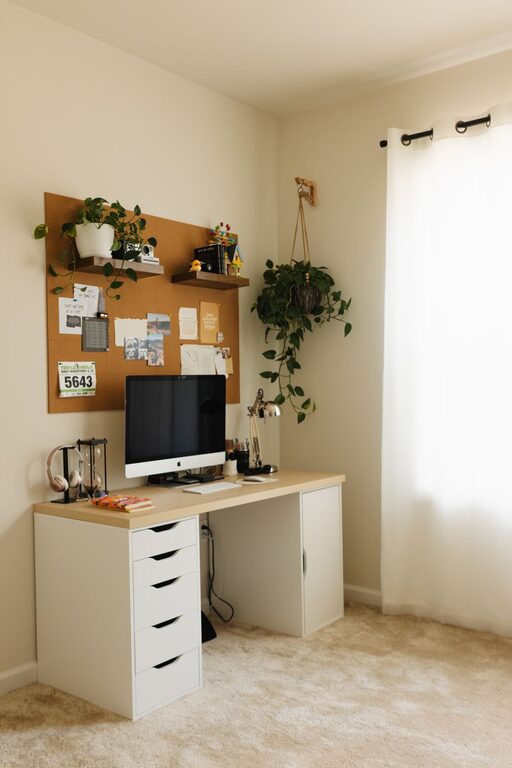
Functional storage keeps your area tidy and helps you find what you need quickly. Use shelves, drawers, or storage boxes to organize office supplies, documents, and personal items. Open shelving can display decorative items to add warmth, while closed storage hides clutter.
Personalizing Your Workspace
Add Warm Textures
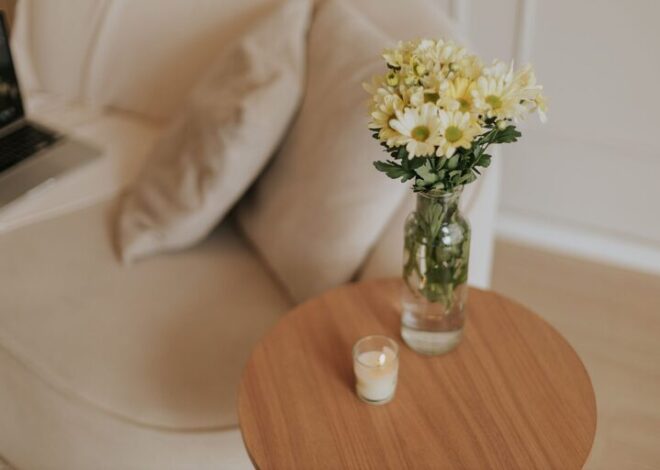
Incorporate soft elements like a cozy rug, cushions, or a throw blanket to make the space inviting. These textures can reduce the clinical feel of an office and make you more comfortable.
Use Calming Colors
Choose colors that promote focus and calmness, like soft blues, greens, or neutrals. Avoid overly bright or harsh colors that might cause eye strain or tension.
Include Plants
Houseplants boost air quality and create a more pleasant atmosphere. Small succulents or low-maintenance plants like pothos or snake plants require little care but add life to your desk.
Organizing for Maximum Productivity
Keep Frequently Used Items Within Reach
Arrange your desk so essential tools—pens, notebooks, phone—are easy to access. This reduces unnecessary movement and keeps your workflow smooth.
Establish a Cable Management System
Tidy cables eliminate visual clutter and prevent accidents. Use clips, sleeves, or cable boxes to organize cords from your computer, chargers, and other electronics.
Create a Daily Routine Space
Designate space for planning your day, whether with a planner, calendar, or whiteboard. Keeping this area visible helps you stay on track with tasks and deadlines.
Lighting Tips for Work and Comfort
Layer Your Lighting
Combine ambient light (general room lighting) with task lighting (desk lamp) to reduce eye strain. Adjustable lamps let you direct light exactly where you need it.
Choose Warm Light Bulbs
Bulb color temperature affects mood and focus. Warm white bulbs (around 2700K to 3000K) provide a cozy atmosphere, while cooler white bulbs (3500K to 4100K) are better for concentration during work hours.
Balancing Work and Break Areas
Create a Separate Spot to Relax
If space allows, set up a small reading chair or a meditation nook nearby. Taking short breaks away from your desk helps refresh your mind and reduce fatigue.
Incorporate Inspiring Elements
Display artwork, motivational quotes, or photos that make you feel positive and energized. These touches personalize your workspace and encourage creativity.
Maintaining Your Workspace
Routine Cleaning
Regularly dust, wipe surfaces, and declutter to keep your workspace fresh and inviting. A clean environment supports focus and motivation.
Reassess and Adapt
Your needs may change over time. Periodically evaluate your setup and make adjustments, whether adding storage, changing lighting, or updating furniture.
Final Thoughts
Building a cozy and functional home workspace doesn’t require a lot of space or a big budget. By prioritizing comfort, organization, and personalization, you can create an environment where productivity and relaxation go hand in hand. Take the time to design a workspace that works well for you—it’s an investment in your daily happiness and work success.