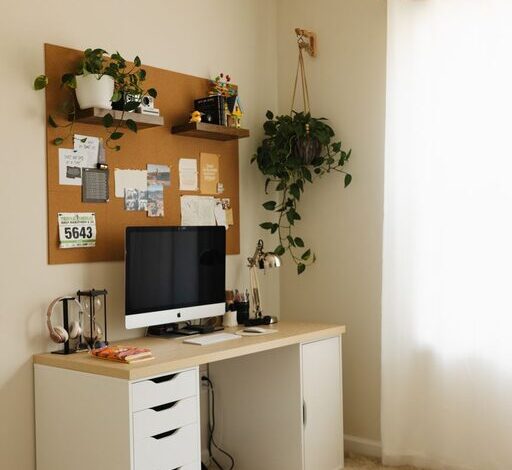
Tips for Creating a Productive Home Office Space
Creating a productive home office space is essential for anyone working remotely or managing tasks from home. A well-designed workspace can enhance focus, reduce distractions, and improve overall work efficiency. Whether you have a dedicated room or a small corner, these tips will help you set up a home office that supports your productivity and well-being.
Choose the Right Location
The first step in creating a productive home office is selecting the right spot. Ideally, pick a space that is quiet, receives adequate natural light, and has enough room for your work essentials.
– Quiet and Private: Choose a location away from high-traffic areas like the kitchen or living room to minimize noise and interruptions.
– Natural Light: Position your desk near a window if possible. Natural light helps reduce eye strain and keeps your energy levels up.
– Space Considerations: Make sure there’s enough room for your desk, chair, and any equipment without feeling cramped.
Invest in Comfortable and Functional Furniture
Furniture plays a huge role in your comfort and productivity.
– Ergonomic Chair: An adjustable chair that supports your back can prevent discomfort and posture problems.
– Appropriate Desk: Choose a desk that fits your space and provides enough surface area for your computer, notebooks, and other essentials.
– Adjustable Options: Consider desks or chairs that can be adjusted for sitting and standing to promote movement throughout the day.
Organize Your Workspace Efficiently
A cluttered workspace often leads to a cluttered mind.
– Declutter Regularly: Keep only what you need on your desk to maintain focus.
– Storage Solutions: Use shelves, filing cabinets, or baskets to store papers and supplies neatly.
– Cable Management: Tame cables with clips or organizers to keep the area tidy and prevent accidental unplugging.
Establish Good Lighting
Proper lighting reduces eye strain and fatigue.
– Natural Light: Use daylight as much as possible.
– Task Lighting: Add a desk lamp with adjustable brightness and direction for focused work.
– Avoid Glare: Position screens and lights to minimize glare and reflections.
Personalize Your Space
Adding personal touches can make your home office more inviting and motivating.
– Inspiring Decor: Use art, plants, or photos that inspire and relax you.
– Color Choices: Choose colors that improve focus and positivity—blues and greens are often calming.
– Comfort Items: Include a cozy rug or cushions to enhance comfort.
Minimize Distractions
Distractions can disrupt your workflow and reduce productivity.
– Set Boundaries: Make it clear to household members when you are working and should not be disturbed.
– Use Noise-Canceling Headphones: These can help drown out background sounds.
– Limit Phone Use: Keep your phone on silent or in another room during focused work periods.
Create a Routine and Work Schedule
A good setup works best alongside a well-planned routine.
– Set Work Hours: Decide on specific start and end times to separate work and personal life.
– Breaks are Important: Use techniques like the Pomodoro method to take regular breaks and avoid burnout.
– Daily Planning: Start the day by listing tasks and priorities to stay on track.
Equip Your Home Office with the Right Technology
Reliable technology is critical for remote work.
– Fast Internet: Ensure your internet connection is strong and stable.
– Quality Equipment: Invest in a good computer, monitor, keyboard, and mouse.
– Backup Power: Consider a power backup option, like a UPS, to prevent data loss during outages.
– Software Tools: Use productivity apps and collaboration tools to streamline your work.
Maintain Your Workspace
Finally, maintaining your home office ensures it stays productive over time.
– Daily Clean-Up: Spend a few minutes at the end of each day tidying up.
– Weekly Deep Clean: Dust, vacuum, and clean surfaces regularly.
– Evaluate and Adjust: Periodically review your setup to see if changes could improve comfort and efficiency.
—
Creating a productive home office requires thoughtful planning and ongoing care. By choosing the right location, investing in comfortable furniture, minimizing distractions, and establishing a routine, you can create a workspace that supports your best work. Remember, small changes can make a big difference in your daily productivity and overall satisfaction working from home.