
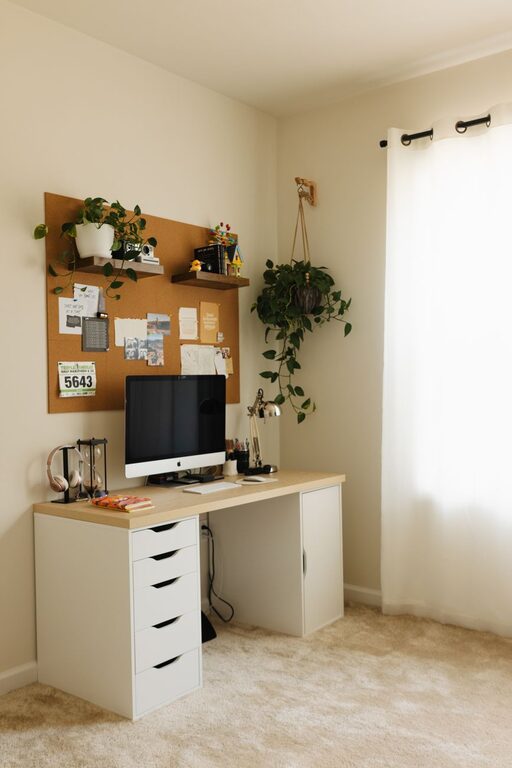
Tips for Creating a Relaxing Home Workspace
Creating a relaxing home workspace can make a big difference in your daily productivity and overall well-being. With many people working remotely or spending more time at home, having a comfortable and peaceful area dedicated to work helps reduce stress and improves focus. Here are some practical tips to help you design a relaxing home workspace that feels inviting and keeps you motivated.
Choose the Right Location
The first step in setting up a relaxing workspace is picking the right spot in your home. Ideally, select a quiet corner or room with minimal distractions. Natural light is a big plus, so if possible, position your desk near a window. This can improve mood and reduce eye strain.
If space is limited, consider using room dividers or screens to create a designated work zone within a shared room. This separation helps signal to your brain that it’s time to focus.
Invest in Comfortable Furniture
Comfort is key when spending hours working at home. Invest in an ergonomic chair that supports your back and promotes good posture. A desk at the right height will also help avoid neck and shoulder pain.
If you use a laptop often, consider a separate keyboard and mouse, along with a laptop stand to raise the screen to eye level. This setup encourages a more natural position and reduces discomfort.
Keep Your Workspace Organized
Clutter can be distracting and make it harder to focus. Keep your desk tidy by limiting the items you keep within reach. Use tools like organizers, shelves, and drawers to store supplies neatly.
Create a system for managing paperwork and digital files so important documents don’t pile up. A clean, organized space not only looks better but helps clear your mind.
Use Calming Colors and Decor
Colors impact mood, so choose soothing shades for your workspace. Soft blues, greens, or neutral tones often promote relaxation and concentration. You can add color easily with paint, wallpaper, or decorative accessories.
Incorporate personal touches such as artwork, photos, or plants to make the space feel inviting. Indoor plants improve air quality and bring a bit of nature indoors, which can be calming.
Control Lighting and Reduce Glare
Adequate lighting is essential for productivity but harsh or dim lighting can cause eye strain and headaches. Use a combination of natural light, overhead lighting, and desk lamps to create balanced illumination.
To reduce glare on your computer screen, adjust your monitor position or use an anti-glare screen protector. Soft, warm lighting can create a cozy atmosphere without being tiring to your eyes.
Minimize Noise and Distractions
Noise can be a major disruption when working from home. If you can’t eliminate background sounds, try noise-cancelling headphones or play ambient music or white noise to help maintain focus.
Establish boundaries with family or housemates about your work hours to limit interruptions. Consider setting up a “do not disturb” sign for busy or important tasks.
Incorporate Break and Relaxation Areas
Even the most comfortable workspace can become tiring if you don’t take breaks. Create a small area nearby where you can step away from your desk to stretch or relax for a few minutes.
Use this space for deep breathing, meditation, or light stretching exercises. Taking short breaks helps clear your mind and boosts productivity when you return to work.
Maintain Good Air Quality and Temperature
A well-ventilated room with fresh air helps you stay alert. Open windows when possible or use an air purifier to keep the air clean. Maintain a comfortable room temperature — not too hot or cold — to avoid distraction.
If your workspace lacks airflow, a small fan or humidifier can improve comfort without distracting noise.
Set Personal Work Habits and Rituals
Design a daily routine that signals the start and end of your workday. For example, begin with tidying your desk or making a cup of tea before sitting down. Ending your day by organizing your workspace helps create clear boundaries between work and personal time.
Consistent habits reduce stress and make it easier to stay focused during work hours.
—
By following these simple yet effective tips, you can create a relaxing home workspace that supports your comfort and productivity. Remember, the goal is to design a space that feels good to be in and helps you do your best work every day.
